Hi, I’m Lilly!

I'm an innovative, tech-savvy, freelance consultant with expertise in content development, eLearning course design, and learning theory.

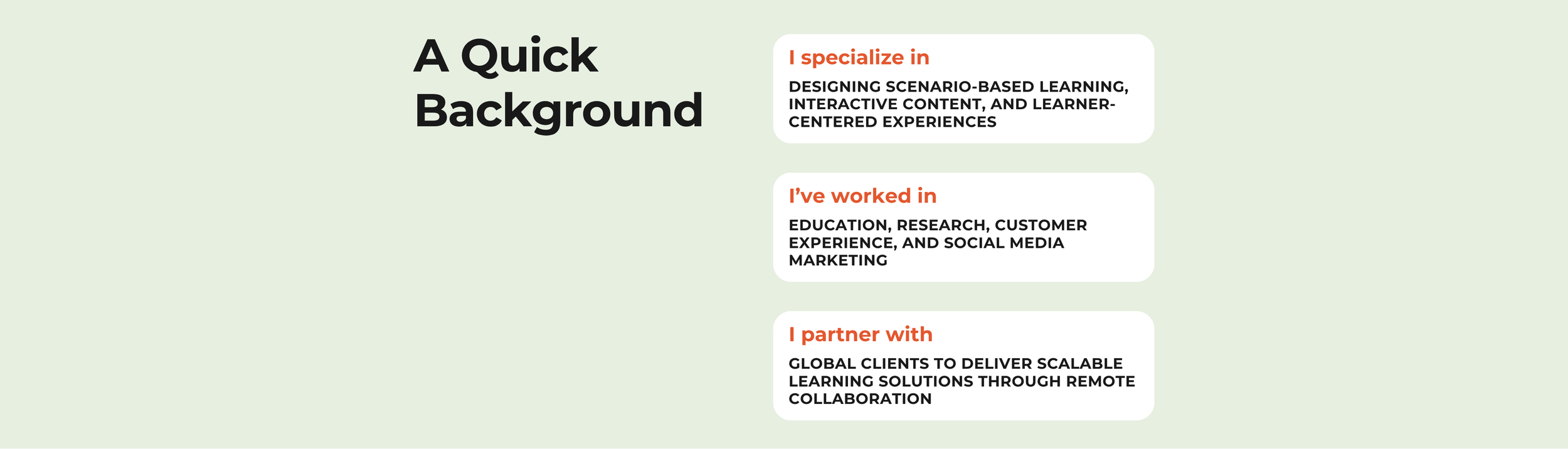
With a background in education, research, and human development, I specialize in creating engaging eLearning videos and training programs that support effective learning outcomes.

I take a strategic, solutions-oriented approach to problem-solving, partnering with subject matter experts to assess learning needs and design measurable, outcomes-driven solutions. I excel at transforming complex information into clear, visually compelling learning experiences.

I’ve worked in a wide range of industries including: Education, Research, Customer Experience, and Social Media Marketing.

Based in Alicante, Spain, I work with clients from all around the globe.

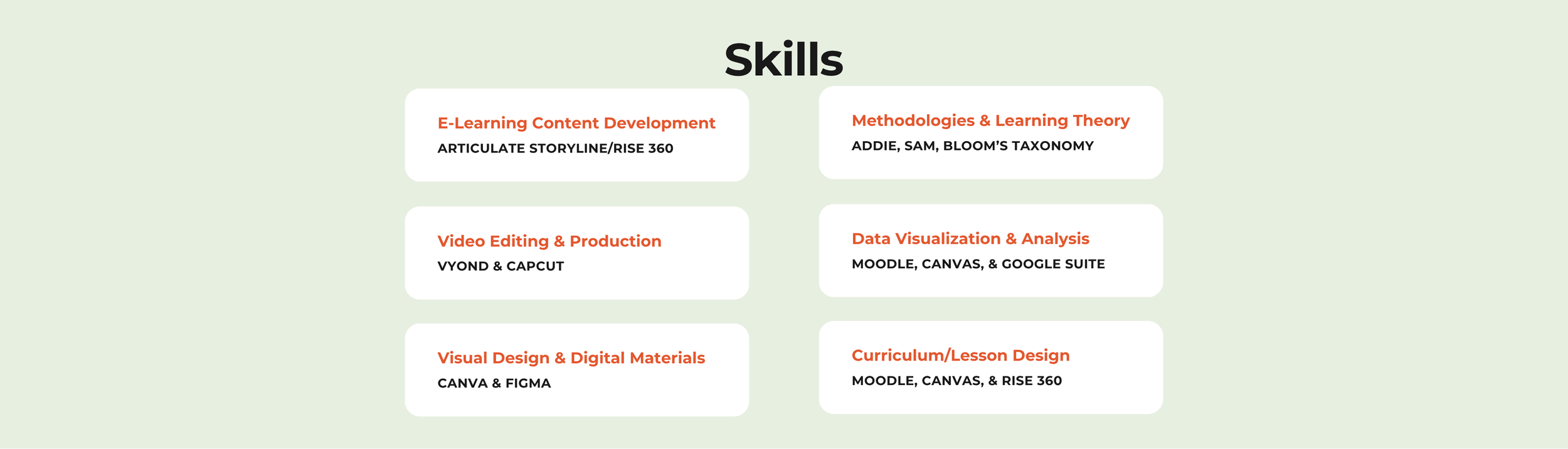
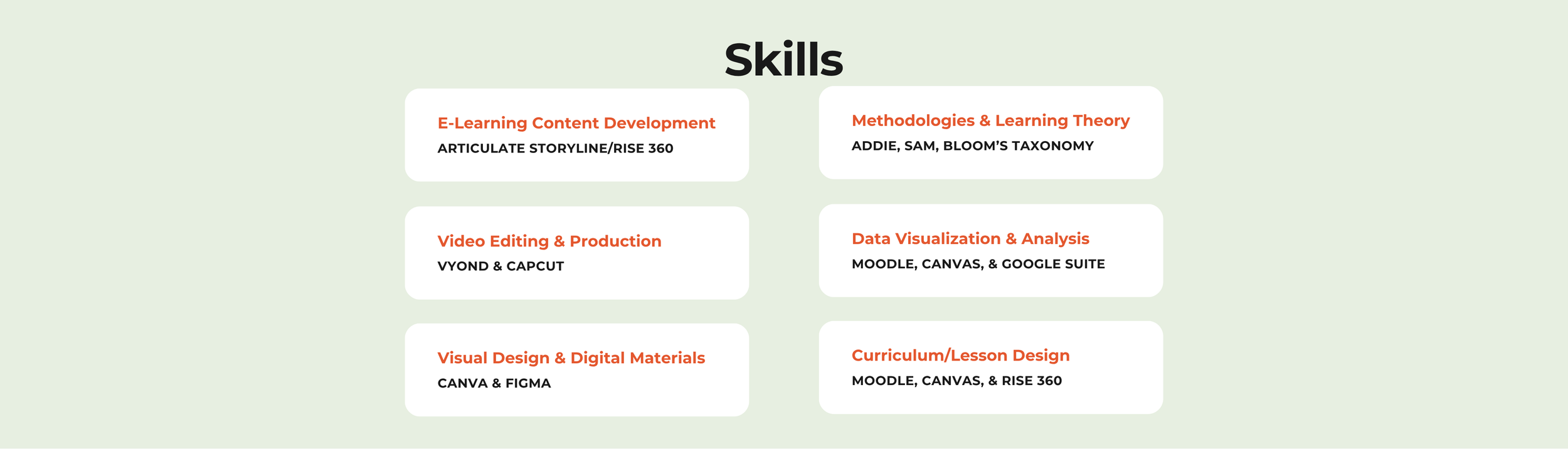
Skills:

  • E-Learning Content Development (Articulate Storyline/Rise 360)

  • Video Editing & Production (Vyond, CapCut)

  • Visual Design & Digital Materials (Canva)

  • Methodologies & Learning Theory (ADDIE, SAM, Bloom’s Taxonomy)

  • Data Visualization & Analysis (Moodle, Canvas, Google Suite, Rise 360)

  • Curriculum/Lesson Design (Moodle, Canvas, Rise 360)

  • Content Strategy & Copywriting (Google Suite, Notion, Canva)

  • English (Native), Spanish (A2/B1), and French (A2)

My Portfolio

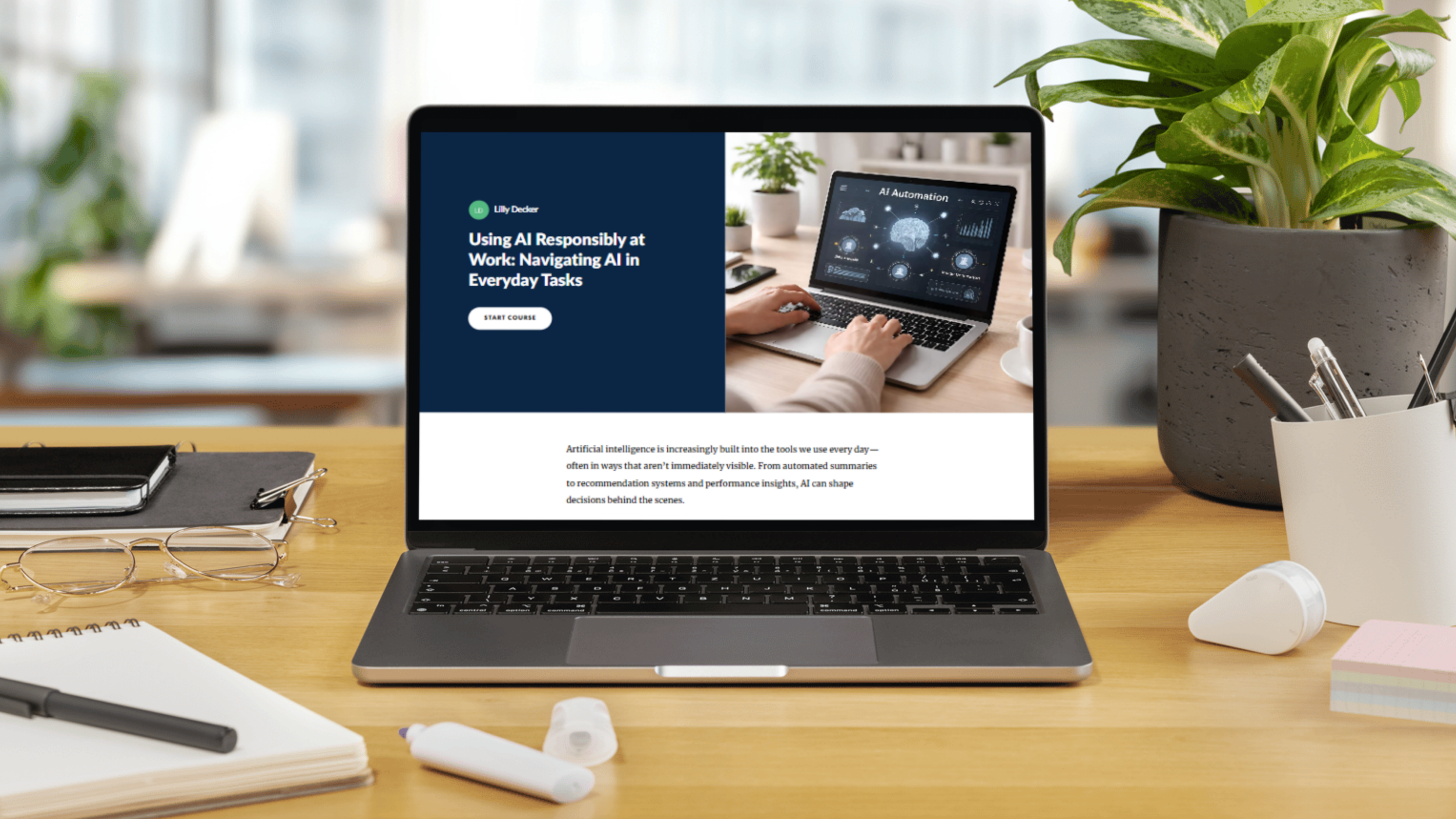
Using AI Responsibly at Work: A Scenario-Based Microlearning Module for Using AI in Professional Communication

(Articulate Storyline Module)

This interactive microlearning module is part of a larger course on professional communication and ethical AI use. It teaches professionals how to use AI responsibly when writing client emails, engaging learners with scenario-based activities and immediate feedback to practice best practices in AI-assisted communication.

Learning Objectives: After completing this module, learners will be able to

  • Identify best practices and common risks associated with AI-assisted writing

  • Make informed decisions about using AI in professional communication

Target Audience: Professionals who handle workplace communications and want to use AI tools responsibly and effectively. Ideal for employees in corporate training programs focused on professional communication and digital skills.

​Tools Used: Articulate Storyline/Rise 360 and GitHub (hosting)

Storyboard: Using AI Responsibly at Work

(Google Slides)

This storyboard outlines the design of a Rise 360 microlearning course on using AI responsibly in professional communication. Created in Google Slides for easy, accessible collaboration and feedback, it maps each slide’s content, interactions, and visuals as a pre-development guide, supporting collaboration with SMEs and stakeholders to ensure accuracy, relevance, and real-world applicability. The storyboard also plans scenario-based practice, interactive assessments, and supporting resources before course development.

Learning Objectives: After completing this course, learners will be able to

  • Identify best practices and common risks associated with AI-assisted writing

  • Make informed decisions about using AI in professional communication

Target Audience: Professionals who handle workplace communications and want to use AI tools responsibly and effectively. Ideal for employees in corporate training programs focused on professional communication and digital skills.

​Tools Used: Google Slides, Articulate Rise 360, Canva

Using AI Responsibly at Work: AI Responsibility Cheat Sheet

(Canva)

A quick-reference guide to reinforce the Using AI Responsibly at Work module. Highlights five reflection questions to help learners make thoughtful, responsible decisions when using AI in professional communication.

Learning Objectives: After reviewing this cheat sheet, professionals will be able to

  • Reflect and implement on responsible AI use in workplace communication

  • Recall and apply the best practices introduced in the scenario-based module

Target Audience: Professionals engaging with AI in workplace communications who want a simple, easy-to-use guide to support ethical and effective AI-assisted writing.

​Tools Used: Canva

How to Become an Early Book Reviewer: Understanding ARCs

(Articulate Rise Course)

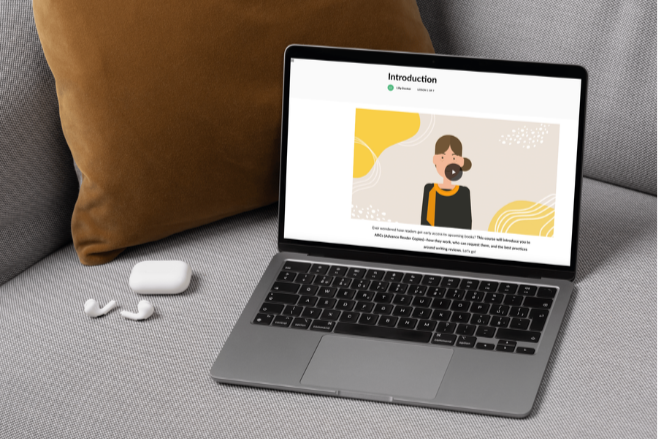
This Articulate Rise microlearning course serves as a guide to introduce aspiring book reviewers to Advance Reader Copies (ARCs). This interactive training walks learners through what ARCs are, who qualifies for them, and how to request them. Designed for accessibility and engagement, the course includes interactive elements, videos, and knowledge checks to reinforce learning.
Learning Objectives: After completing this course, participants will be able to

  • Understand the concept of Advance Reader Copies (ARCs) and their role in the book publishing and reviewing process

  • Identify the qualifications and criteria for receiving ARCs and learn how to request them from various platforms and publishers

  • Develop the skills to write thoughtful, engaging reviews that adhere to best practices and provide valuable feedback to publishers and authors

​Target Audience: Aspiring book reviewers, bloggers, librarians, booksellers, and influencers interested in receiving and reviewing ARCs.

Tools Used: Articulate Storyline/Rise 360, Vyond, Canva, and GitHub (hosting)

Exploring Whole Group and Small Group Reading Instruction

(Vyond Video)

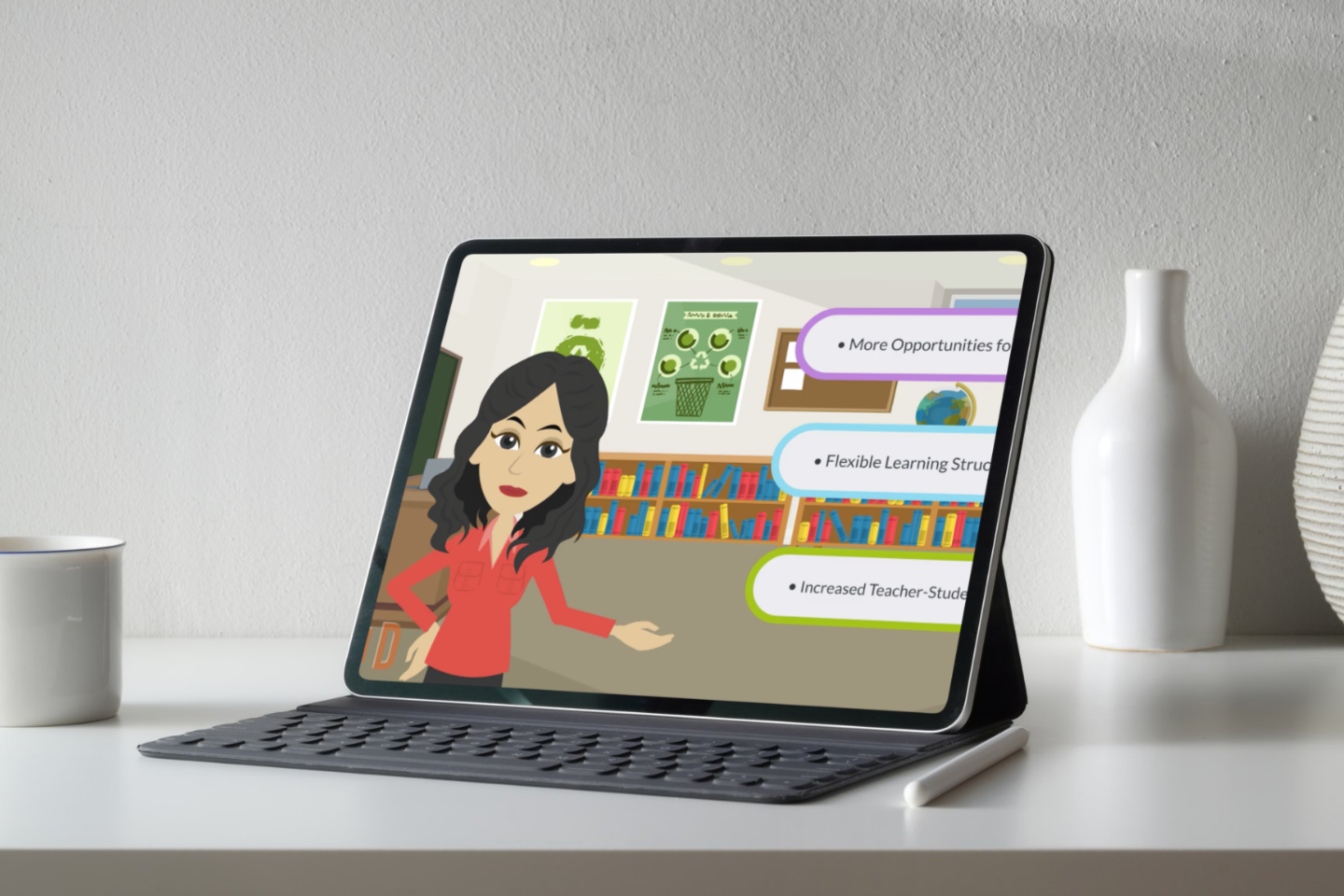
As part of a small training within a teacher preparation program, this microlearning video was created to support educators in understanding how to effectively integrate whole group and small group reading instruction. The module highlights the distinctions between the two approaches, explores the benefits of each, and provides practical strategies for implementation in diverse classroom settings. Designed for flexibility, this resource includes an accompanying slideshow that can be used alongside the video or as a standalone tool, allowing instructors and learners to adapt it to their specific training needs.
Learning Objectives: After watching this video, educators will be able to

  • Understand the differences between whole group and small group reading instruction

  • Recognize the benefits of each approach for supporting diverse student needs

Target Audience: Teachers in a preparation program focusing on classroom literacy instruction.

Tools Used: Vyond, Google Slides, and Canva

2nd Grade Curriculum Unit

In collaboration with the Boulder Museum, local school districts, and subject matter experts, this curriculum was developed and refined to align with Colorado state standards and support the developmental needs of 2nd-grade students. Designed for effectiveness, the resource includes adapted lessons, research-based materials, assessments, and instructional guides to aid educators in implementation.

This is a unit overview of a larger curriculum unit.

Student Learning Objectives: After completing this unit, students will be able to

  • Demonstrate an understanding of key events, figures, and contributions in Colorado’s Black history through classroom activities and assessments

  • Explain how historical events and individuals have shaped Colorado’s communities and culture

Educator Implementation Objectives: While facilitating this unit, educators will

  • Implement lessons and strategies that effectively teach 2nd-grade students about Colorado’s Black history

  • Adapt instructional materials to meet diverse student needs while ensuring accurate comprehension of historical content

Target Audience: 2nd grade students and their teachers across Colorado schools.

​Tools Used: Canva, Google Suite

Research Resources: Colorado State Archives, historical documents, and primary sources

Article: The Most Dog-Friendly National Parks in the U.S.

This article, one of the top-performing pieces for National-Park-Posters.com, highlights the most dog-friendly national parks in the U.S.

It offers valuable insights for readers who enjoy traveling with their furry companions.​

Tools Used: Google Suite

Let’s connect!